Review the property
Start with the property type, acquisition or construction cost, and date placed in service.

Cost segregation can bring eligible depreciation deductions forward. Start with the kind of real estate you own.
Start my residential briefFrom rental homes to condos, certain appliances, finishes, and site improvements may follow different depreciation schedules from the building. Personal use and your ability to use deductions matter too.
Choose a property type above, then start your tailored brief. No email required. Full website coming soon.
A rental home, an apartment building, a commercial investment. The useful questions start with what you own—and what you want to do next.
Answer three questions. Leave with a discussion brief for your CPA, not another sales pitch.
No email required. Your answers stay in your browser.
Private by design. Nothing is submitted.
A closer look separates the structure, selected interior assets, exterior improvements, and land. Explore the categories below; the complete drawing stays visible.
Illustrative categories only. Not all interior items or exterior costs qualify for shorter lives. Asset use, applicable tax rules, and the facts of the property determine classification. Bonus depreciation and deduction limits require separate review.
The takeaway: a cost segregation study doesn’t create a new expense. It evaluates when eligible property costs can be deducted.
Find my starting point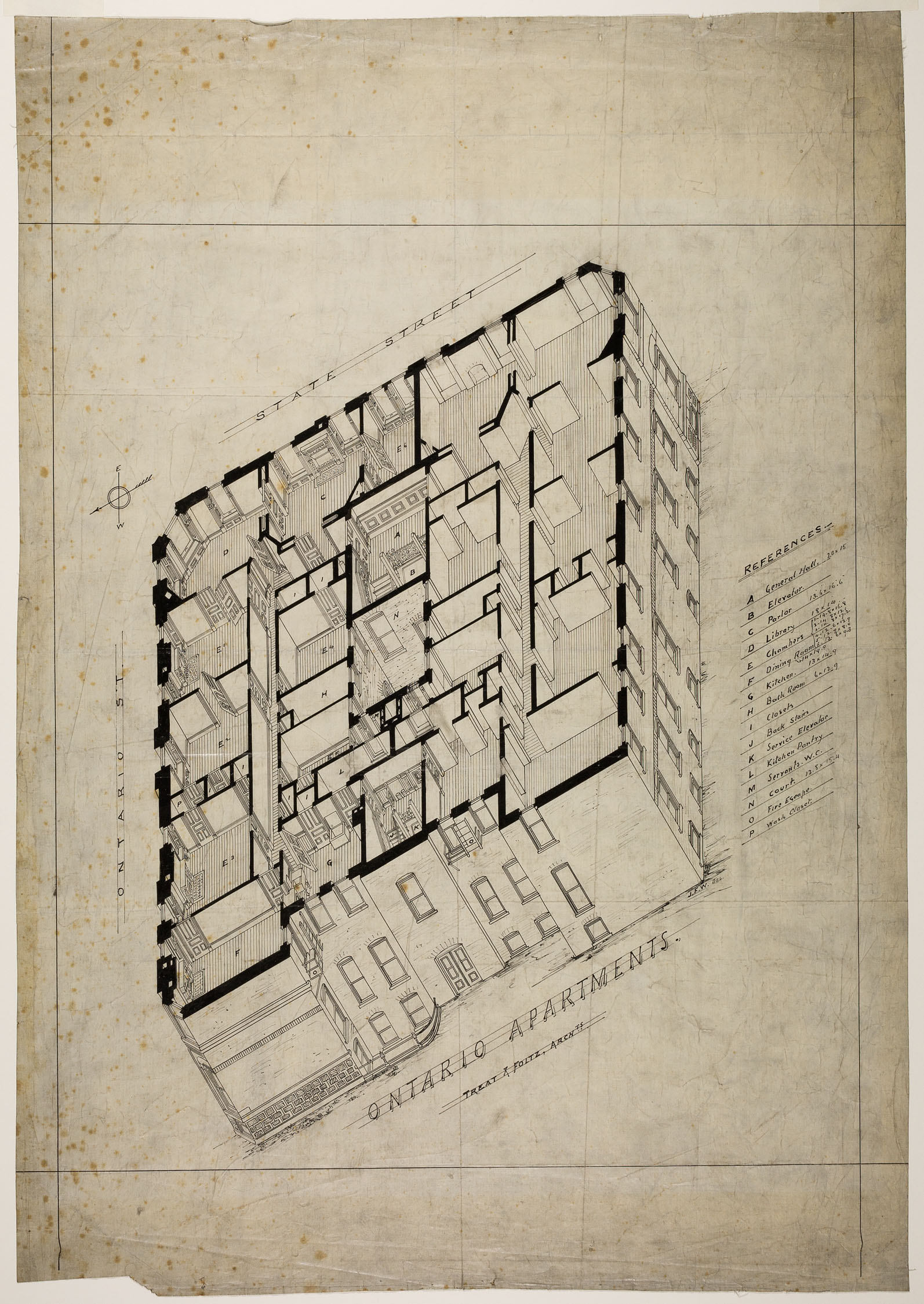
Start with the property type, acquisition or construction cost, and date placed in service.
Consider the potential accelerated deductions and whether a study makes financial sense.
A detailed study evaluates building components and assigns appropriate depreciation classifications.
Your tax professional reviews the findings and determines how to apply them to your return.
Could your real estate be working harder for you? These property categories may offer cost segregation opportunities.

Single-family rentals, apartments, duplexes, and qualifying short-term rentals. Property use and your tax position shape the analysis.

Office, retail, industrial, hospitality, and self-storage. Specialized assets and site improvements may warrant a closer look.
Office, retail, industrial, hospitality, self-storage, and other commercial properties.
The same property can produce very different illustrations. Move the sliders to see why eligibility, usable deductions, and fees matter.
Timing illustration only. Not permanent savings, ROI, or an incremental first-year estimate.
No email gate. No submission or storage. Change an assumption; the illustration updates instantly.
Read the model, not just the result. Reclassified basis = building basis × assumed reclassification. Assumed immediately usable deduction = reclassified basis × usable percentage. Illustrated deferral = that deduction × tax rate; displayed result subtracts the assumed fee. The model assumes your chosen deduction is available immediately; it does not determine bonus-depreciation eligibility or apply actual depreciation schedules. It ignores baseline depreciation, passive activity and other statutory limits, state differences, fee deductibility, future recapture, time value of money, and later-year deductions. Negative results are possible. These controls are hypothetical inputs, not advice, industry benchmarks, or a property-specific estimate.
The basics every property owner should know.
Cost segregation is a tax-planning strategy that separates eligible components of a property from the building itself. Certain assets may qualify for 5-, 7-, or 15-year depreciation rather than the building’s longer schedule. Land is not depreciable.
Neither is guaranteed. Cost segregation generally changes the timing of depreciation deductions and may defer income taxes. A future sale can trigger depreciation recapture, and the overall benefit depends on your circumstances and holding period.
Potentially. A look-back study may identify depreciation that could have been taken in earlier years. A CPA can determine whether a Form 3115 accounting-method change and a Section 481(a) adjustment are appropriate.
No. Eligibility and the applicable rate depend on the asset, acquisition and placed-in-service dates, elections, and current law. Your tax advisor should confirm the rules that apply to your property.
Yes. A cost segregation study supports depreciation classifications; your CPA evaluates deductibility, passive activity rules, filing requirements, and how the strategy fits your overall tax plan.
We’re building our full website. Start with your property, understand the possibilities, and bring better questions to your CPA.
Explore a savings scenario Full website coming soon.